Stop Pain from Sitting
© Jolie Bookspan, MEd, PhD, FAWM


Welcome to my "Stop Pain From Sitting" article on my web site DrBookspan. I am a research scientist and clinician in human physiology and performance in extreme environments. I study why common training techniques and rehab methods don't work and what works better. I worked years in lab research in environmental medicine of the human body in extremes of heat, cold, injury states, altitude, underwater, and different nutritional states, and put some of the fun stories here on this site.
Sitting around too much has never been healthy. For the sitting you need to do, this Get-Started-Right-Now summary shows you how to spot and fix some painful sitting habits, right now. Don't wait.
For more, get my BOOKS. More about me in Adventures.
SITE MAP. At the bottom of this page are main navigation links.
Go get better and the world will be better.
A poem to remind you to fix bad sitting - in Haiku form
Like a Bonsai tree
your terrible posture at
my dinner table
If you have other poems or songs for health, send them through the Projects Page. Winners appear on this site.
Quick Answers
Anyone who sits for extended periods or who sits in unhealthy positions can hurt or feel stiff. That is not a mystery.
Anyone sitting badly, squashing one area, can have numbness that is not from disc or nerve problem, even if you have been told that your x-ray shows a disc bulging. At the same time, sitting rounded can, over years, push discs out of place and compress nerves, making neck, arm, and back pain and numbness. Even for disc injury, no surgery or treatments or repeated adjustments are needed, only better sitting and bending habits shown in this article, and more getting up. Bad sitting is no mystery.
Research reports of posture rules, stretches, and devices for sitting seem to show they make as much or more pain as slouching, and do not create healthy relaxed sitting. They are also no fun.
You do not need special chairs or expensive ergonomic foot rests or a ball or rocking device, or any of the positioning devices claiming to relieve pain or to "make you sit in healthful ways." You can sit badly on any of them, or sit well on a bucket - with a little info and practice given in this article.
You do not need to give up working at a computer or desk, or avoid car trips. With a little common sense and information, you can sit and move in healthy comfortable ways right away. This is different from doing sets and reps of exercises, or devices to "hold" you correctly (when they really don't), then going back to injurious daily habits.
You do not need to sit in specific rigid angles of the hip or legs or arms, or hold a presumed "correct" position. That often causes more pain. Instead, by learning concepts of healthful movement, you can apply them in all the various situations you will need.
Painful muscles, discs, or joints are not the cause of the problem - they are the RESULT of what you are doing to hurt your body - things you can fix yourself. Even when inflammation or immune response are identified, they are results, not causes. This article will show you how to understand and fix causes instead of using drugs and surgery or bracing and devices for the results.
Not all pain is from the results that show on an x-ray or other test or scan. You are not doomed by scan results. Many people have bulging discs with no symptoms, and their pain is from normal bad slouching.
A number of common medicines and prescription drugs can cause much body pain. This may be mistaken for pain from sitting. Unneeded treatments, surgeries, and pain products are used next to relieve this pain - often causing more pain and reduction in physical ability. Easy changes can stop the need for harmful medicines.
This is not alternative medicine. This is standard of care, common sense sports medicine techniques, applied to real life - where you actually need it.
This article explains the above. Make sure you understand the concepts (many highlighted in green). The end of this article (where it says "More fun...") gives many helpful links to pages on this site for more help. The Bottom of every page on my web site gives main navigation links.
Parts of this article are available on another page of my web site in FRENCH - Prévenir le mal de dos en cas de longue station assise
No Mystery
Too Much Rounding Your Spine Forward, and Arching Backward, Both Hurt
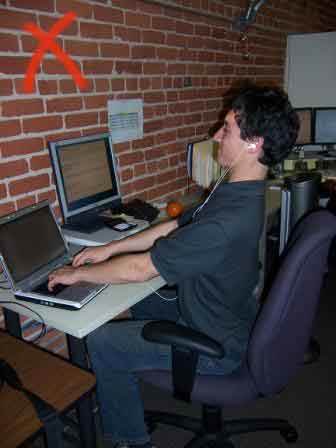
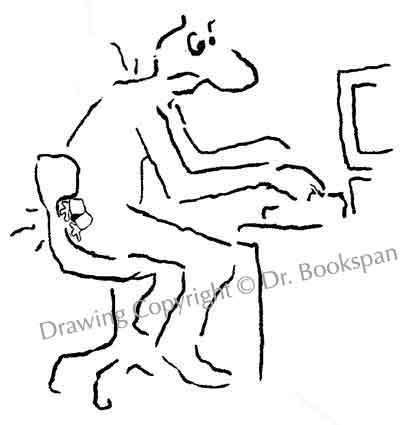
Pain when sitting badly at the computer - "Cyber-myalgia"
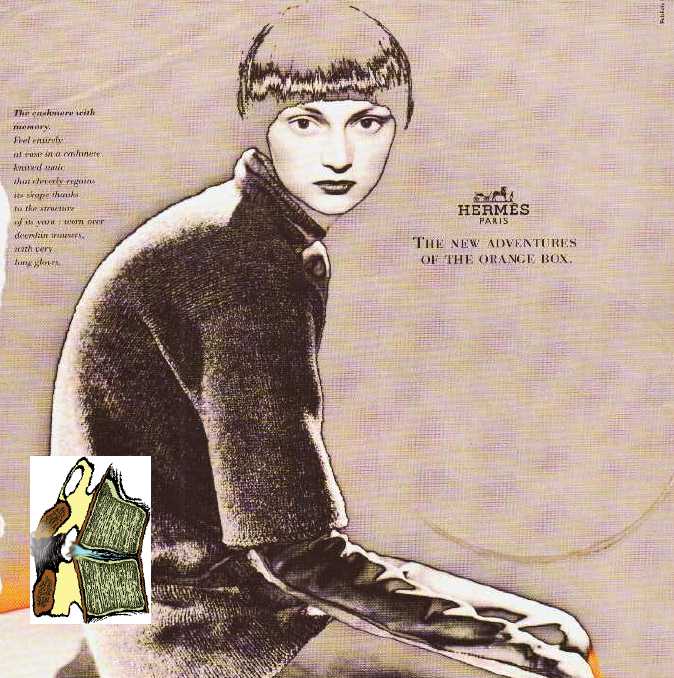
Years of rounding and sagging under your body weight pushes on soft tissue and and can eventually wear on the discs, pushing them outward (herniate). Look at the discs drawn in the illustration showing how bending the spine forward pushes discs outward toward the back, little by little. More about discs in the DISC article.
It does not matter if you sit for work, hobbies, travel, to do exercise on a ball or in yoga, or sit or ergonomic chair, it can hurt from simple bad body mechanics.
No expensive chairs, devices, or strengthening exercises make you sit right, but you can easily do that yourself, even on a bucket.
Rounding your spine forward (slouching) when sitting is a main way to make muscles ache. Sitting with your spine too rounded, or bent forward all day, even leaning forward chronically with a straight back, can also slowly degenerate the discs, the little cushions between the back bones (vertebrae), and push discs outward. This is how discs bulge, also called herniated or slipped. Holding your neck tilted forward for much of the time, or angled with the chin jutting forward and/ or upward, also mechanically harm soft tissue, discs, and spine joints in the neck. A disc can bulge outward enough to press on nearby nerves, sending pain down the nerve distribution. Pain down the back of the leg is called sciatica. Pain can also go down the front of your leg when other nerves are pressed, and down your arm from neck and shoulder bad positioning.
Even without disc involvement, soft tissue pain from slouching can be uncomfortable and frightening, often mistaken for diseases, and given unnecessary drugs and treatments. These are all easy to prevent.
The same problem occurs when you sit rounded forward for exercise, even bent forward "with a straight back." Damaging forces work on discs in both cases. The fact that you are exercising does not make the sitting healthy. Examples are standing or sitting bent forward or sideways to touch ankles or toes, sitting bent forward, yoga and Pilates poses such as plow and shoulder stand - where you lie on your upper back with legs in the air (like sitting upside down) with body weight pressing on the discs of your back and or neck, depending where you are bending from and how much.
Not all exercise is good for you, just as not all foods or drugs are good for you. Yoga was never intended to be completely healthy for joints. Many moves were for performance art, dance, penance, purification through pain, battle moves (early yoga sects murdered each other. Some poses based on their preparatory exercises or retelling of the story). There are many healthier moves to do instead. More interesting info to make your yoga healthier is on the Yoga class page. More about how hamstring stretching got confused for back stretching and fixing back pain is on the Hamstrings article along with healthier hamstring stretches.
If you usually sit to lift weights, stand instead for better exercise, better balance, better back. Remember that you sit all day already. It is not exercise to sit more.
Too Much Inward Back Curve (Swayback and Hyperlordosis) Also Hurts
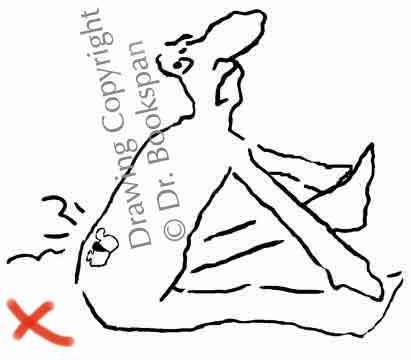
Photo shows tight, rigid, too much inward curve of the lower spine - a common way to get a tight, sore back and neck.
Holding an overarched lower spine (overdoing the inward lumbar curve) and yanking the chin inward (double chin posture) can hurt, tighten, or strain as much as slouching. The above photo shows rigid strained forced posture. Tightening the back muscles in attempt to "sit up straight" causes much back pain.
What To Do - Simple Pain Prevention For Sitting
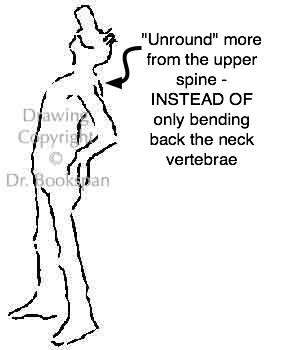
Straighten the back. Lift more from the upper spine than from bringing shoulders back.
Notice if you jut the chin forward and upward, pinching the back of the neck. Bring the chin down and instead straighten from the upper body to hold your head relaxed and level.
There is no need to sit in specific rigid angles of the hip or legs or arms or feet, or hold a presumed "correct" position without moving; That often causes more pain. Regular movement in your chair, looking around, reaching and retrieving is needed movement.
Get general concepts of healthy movement and apply them to all the different positions you will need.
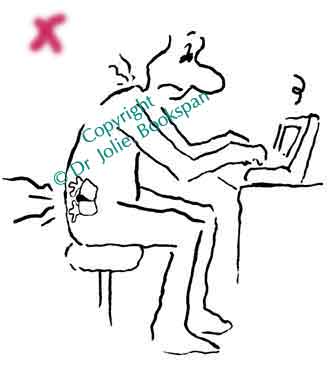
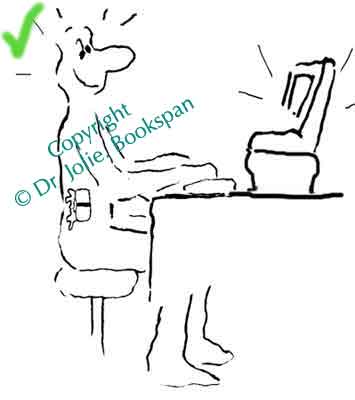
Fix Pain From Long Sitting at Your Desk
- Move the seat in and sit closer to the desk so you can sit up instead of hunching forward.
- Put the monitor up on a book, block, or shelf. Try an external keyboard for laptops.
- In a chair with a back, instead of slouching forward or tightly upright in your chair, move from the front of the chair seat to sit all the way at the back of the seat. Lean back against the chair back in comfort.
- Use a lumbar roll, described below, if needed.
- Without a seat back, you can still sit comfortably. Move your seat further in (forward toward the desk). Put the monitor up on a block or shelf. Keep the keyboard up on the desk, not under it on a keyboard tray. Don't overdo the inward curve of the lower back. Depending on your height, lower your seat as needed so you don't reach down for the desk.
- Make sure not to strain or force any position.
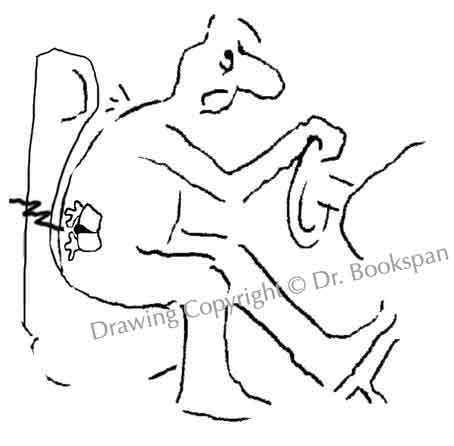
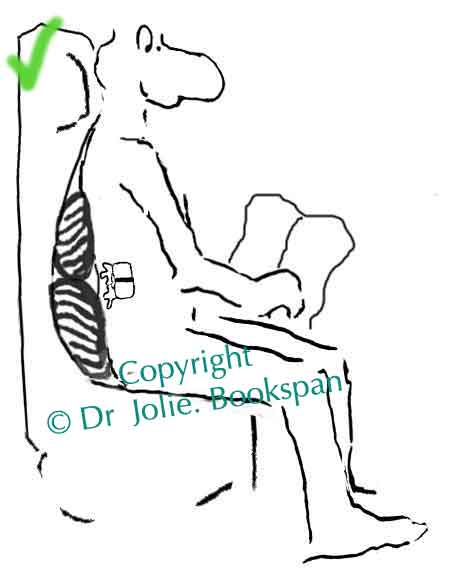
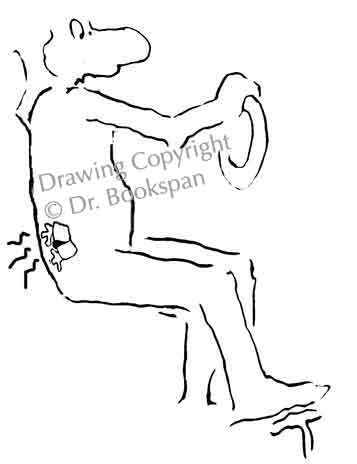
How To Fix Pain During Long Sitting For Driving
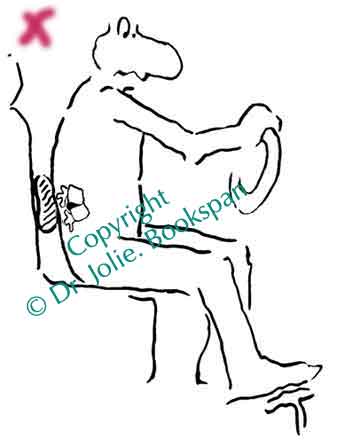
Many seats are so rounded that they keep you in rounded position |
|
- Depending on car configuration and your height, see if you need to move your seat further forward, so that you do not round forward or downward to reach the steering wheel. Then sit with your hip at the back of the seat. A pillow may be needed. Tilt the seat back slightly backward if comfortable and safe rather than vertical. Lean your upper back back against the seat and straighten the spine while relaxing slightly back.
- A bonus to moving the car seat forward and leaning a bit back, is that instead of rounding forward to reach the wheel, your chest and face are farther from the airbag, said to be safer. Check with your manufacturer.
- Use a lumbar roll, described below, if needed, depending on the shape of the car seat.
Fix Pain During Long Sitting on Buses and Flights
Commercial airline, bus, and train seats are often rounded, encouraging prolonged, enforced rounding.
- Depending on the shape of the chair, you will need to move the lumbar roll higher or lower. What is important is to understand why you are using it - to make the chair back shape healthy for you - and to pad it accordingly.
- Sometimes two pillows are needed, one in the natural curve of your lower back, and the second above it in the space still left by the rounded seat. Adjust as needed. Use your brain to make it right, comfortable, and healthier. Sit upright and lean back to rest the back of your head against the head rest.
- For the very rounded (concave) seats common in flights and buses, two pillows may be needed to allow you to sit comfortably straight, not rounded forward to fit the chair.
- Flights sometimes have a video message encouraging in-seat stretching. Often the advice is forward bending. That is the last thing you need after sitting bent forward for so long.
Instead, stretch your back and shoulders backward, not forward. Keep your chin from jutting forward - hold loosely in-line while leaning back. Breathe. Smile.
Sitting to Relax - Without Pain
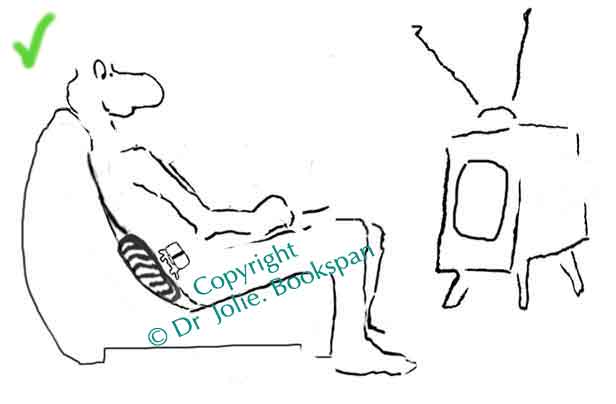
Easily and inexpensively sit comfortably in your existing chairs and sofas (right).
Lumbar Rolls
If the chair back is rounded, put a small soft cushion in the space between your low back and the chair, to preserve healthy SMALL normal back curve instead of assuming the curved posture of the chair.
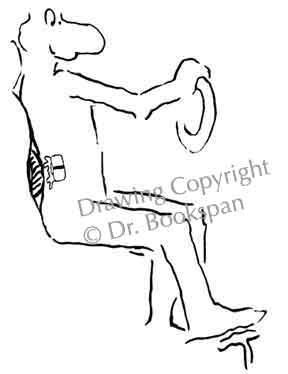
Relax back over the small roll to keep the normal small inward curve, instead of rounding your back outward to fit a curved chair. Don't exaggerate the inward lumbar curve, and don't strain to hold it, or you will cause pain from that too.
Making a Lumbar Roll
ONLY If You Need One. Depends on the Curve of the Chair
To feel the approximate right size for a lumbar roll, sit back in a chair and nestle your forearm behind you in the lumbar space between your lower back and the chair. Lightly lean your upper back against the chair so that the low back does not press your arm, but rests lightly. It should feel comfortable. It it's not comfortable, it's wrong. Your forearm is usually about the size to look for in a lumbar roll. A "roll" can be a folded towel. It is not always "roll" shaped. It is just the name of the pad needed to change a bad chair to one that you can be healthier in. Use your brain to fit it to pad the shape of the chair as needed.
There are commercially available rolls. Some are expensive and cumbersome, and many are uncomfortable. You do not need to purchase anything. Many soft household items can work for a lumbar roll. Try a small folded towel, shirt, or gloves. Fold your jacket or part of it, just enough to be the size you want. If it is too large, it will not be comfortable.
A small inflatable pillow, available at dollar stores or camping supplies is excellent for travel. Lightweight and deflates to take up little room.
You can cut a roll of soft foam (soft, not hard like pool noodles) lengthwise to make two lumbar rolls:
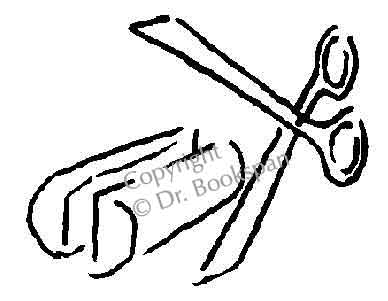
If a soft foam lumbar roll is too big, cut it lengthwise to make two - one for home and one for the car, for example. Put the cut side to the seat and the rounded side facing your lower back. Don't use hard foam rollers; they are much too rigid and uncomfortable. Use soft materials.
Using the Lumbar Roll
Relax Back in Healthful Position. Not Forward. Not Tense. Not "Engaging" Muscles.- Lean your upper back against the chair instead of pressing your lower back against the roll.
- Don't force into unnaturally straight or arched posture. Keep head upright, not tilted forward or back, or craned and bent back at the neck
- Don't use a lumbar roll that feels too large. It will be uncomfortable. If you feel like it is sticking you in the back, check to make sure you aren't rounding against it, or that it isn't too large, or extending too high or low on your back. If it is not comfortable, it is not right or helpful. Change it.
- Bad chairs will always be everywhere - movie theaters, conference halls, waiting areas for all the things we wait for. There is almost always a sweater, or jacket sleeve, or carry-bag that can be comfortably placed when you are caught in unexpected bad chairs. Refold or resize the materials you are using for your roll to fit a different chair. Use the principles to sit back comfortably. That doesn't mean to never move. Move in relaxed comfortable ways for all the reaching and looking you need at your desk.
|
Do you round your back against the lumbar roll? That is uncomfortable and just as useless as rounding without one.
|
 |
Preventing Pain
Check If You Round Your Back Too Much for Too Long
Do you round your back all day to work, to drive, then the same to "relax." Too much. No wonder your neck or back hurts.
Many seats have a round (concave) back. Do you allow your back to round to fit the round chair back?
Check if you not only round into the chair back, but hunch forward or put a pillow behind your head, pushing the head further.
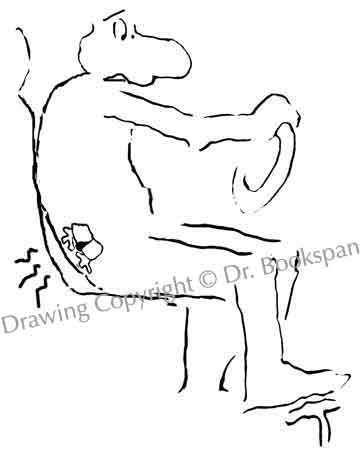
Do you sit away from the back of the chair, and create a "hammock" of your spine?. Body weight pushes outward on your low back muscles and discs.
Don't Be Fooled by News Articles Saying "Don't Sit Straight" - That's Not What They Meant
News articles came out that misinterpreted a study that said "Don't sit up straight." They never mean that you should slouch, or that rounding your back and neck was better than keeping the spine straighter. What they found was that leaning a bit back (with good positioning) is less force on the back than sitting upright vertically. When they said "Don't sit straight" they meant "Don't sit vertically." Not that you shouldn't sit with spine straighter rather than rounded.
A certain amount of "work" (exercise) is fine for the back. Don't be afraid of sitting vertically either. Just stop straining. Your own muscles need exercise and can hold you to sit upright without pain or damaging yourself.
For long desk sitting, it is often more comfortable to lean back against your chair, but not to round and slouch to do it.
Healthier Sitting On The Floor for Exercise and Yoga Classes
Food for thought - people sit in terrible posture on yoga mats waiting for class to begin (and often during class) actually thinking the class will magically, automatically *give* them good posture.
They know sitting for long periods at a desk is terrible for your health, but sit painfully for long still periods on a mat and call it "meditation" (and pay money for that). Not healthy, obviously.
In a gym, people wear expensive workout clothes and go to classes or machines and SIT, even lie down. In a gym! Elders who need standing and balance all the more are shunted to chair yoga and exercise. Stand all you can to exercise.
Sitting In Strollers for Parent and Baby "Fitness" Classes Are Not Very Fit If You Sit
it is not fitness, or physical or mental health, for parents and their able-bodied baby or child to strap the child into what is essentially a wheelchair (stroller) while you lift little artificial hand weights next to them.
It is a shame to think that lifting a baby causes back pain but lifting a magic little hand-weight will fix it. Sitting, whether parent or child, in any class calling itself fitness is counter to fitness.
Please get up and use your own muscles to support your body weight. Lift the babies for your weight lifting. Lift older children too. Get children out of stroller "wheelchairs" for these classes, and as often as you can in daily life, before you teach their bodies (and minds) to sit instead of move, dragging down their health and motor skills to increasing lows. Use my books to learn healthy lifting and carrying to increase strength and decrease back pain using good mechanics. Start with this summary article on Healthy Lifting.
There is much to be said about sedentary children.
Ergonomic Chairs, Kneeling Chairs, Sitting Devices, and Exercise Balls Do Not Make You Sit Well
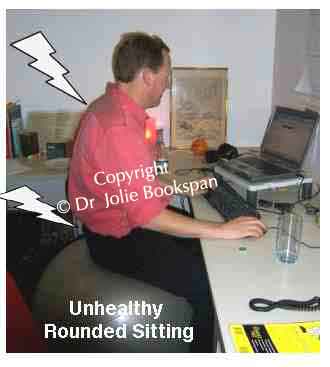
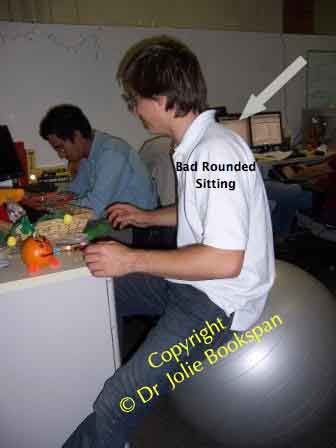
Sitting slouched on an exercise ball.
A ball does not make you sit well or use core muscles.
Somehow, people love to believe that sitting on an exercise ball or kneeling chair or other engineered or fad device will automatically make you sit straighter or better. Of course not. You can slouch the same on almost any surface. No rocker device, no special sitting strap, or the new fad of clothing with straps to claiming to hold you in proper position will actually give you healthy positioning. Some do nothing, others put you in worse positions or make you think you are sitting right when you are not. Sitting without slouched, strained, or over-stylized rigidly "correct" posture is up to you.
A ball does not make you sit upright or prevent unhealthful, uncomfortable sitting position. You can sit upright or not. It is not the ball, but you, that determines what you do with your own body.
The photo above shows slouching on a ball, and the ball being in the way of siting close enough to the desk,
rounding even more to reach the surface.
Use common sense and your own muscles for simple, comfortable, healthful sitting habits.
Ball
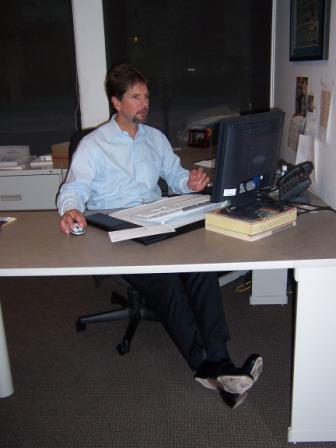
and bad and good chair sitting photos taken for me
by Healthine.com staff when I ran my column TheFitness Fixer for them.
Do not try these bad postures at home. Healthline staff are trained professionals.
Is Standing At Your Desk to Work The Answer to Stop Pain From Sitting?
Standing is generally more exercise than sitting. Standing to work is often touted as the new cure for "sitting disease" which is not an actual, literal "disease" but the same harm of sedentary life.
A problem comes when standing to work perpetuates the same problem people make when sitting - slouching, craning, swayback, and doing everything except what is healthy and sensible, then mindlessly calling it a fitness activity or thinking they have some strange new disease when they hurt from slouching when standing.
Upper back pain from standing is usually from rounding forward too much. It also comes when you stand with too much inward lower back curve (swayback) - then lean the upper body forward to compensate. My web page on neck and upper back pain explains. Sometimes people lean the upper body backwards, causing lower back pain, as explained below. When they round or crane the neck forward to balance or compensate, their neck and top of the shoulder may hurt.
Lower back pain from long standing is usually typical of a certain kind of slouching - increasing the inward curve of the lower back, called hyperlordosis. My web page about fixing back pain from long standing explains that strengthening abs does not fix this, but how you use them to position your spine.
Remember To Get Up
No matter how well you sit, it's still a lot of time spent bent at the hip and time spent off your feet. It's sedentary. You lose physical capacity (mental too). Short, tight hip muscles add their own posture and pain problems. Your hip needs standing weight for strong bones. Your legs need use. Long sitting, even pain free, isn't healthy.Your body and mind and spirit need movement. This isn't strange new-age stuff, but long-known. Studies of space flight where astronauts don't have benefit of the pull of gravity, experience devastating losses of bone, muscle, and cardiovascular status. My aerospace and diving medicine page is here.
Don't forget to get out of your chair, stand and get weight on your legs, and "unround" (straighten/ extend) your entire spine. When you look upward, straighten from the upper back. Don't pinch or bend backward at the neck or lower back (don't increase swayback).
Sitting all day and doing a few exercises won't undo the large damage. Stand more. Even for wheelchair patients, I recommend pulling to a stand wherever possible for time every day. It is that important.
Get up. Move. Assess your day. It is a startling realization to count the numbers of people who go to gyms and sit to lift weights and "exercise.". Elders are told to sit for exercises somehow thinking it is safer or preferable. Yoga enthusiasts sit for an hour actually believe it makes them stronger. If you want to exercise get out of your chair. Even sitting on a ball isn't exercise, it's sitting (for gosh sakes). My book Health & Fitness - How to be Healthy Happy and Fit For The Rest of Your Life" is a fun compendium of hundreds of ways to have healthier movement all day, along with healthy everything else. See it on my BOOKS page. Thanks for checking it out.
Stand up and straighten out. If your pelvis tilts forward (belt line down in front) straighten it to neutral spine - away from the bent "behind-stuck-out" position - see the free abs article and the back pain article for details of how.
Movement is key to your health. If you sit all day for work it is no mystery that you hurt. Learn basic healthy movement skills to use to fix a lot of pain with my Bookspan Basics functional fitness page and Fitness as a Lifestyle which will show you how to use healthy movement for your everyday body mechanics including in the office.
Another nice stretch to straighten out after house chores or exercise is to lie face down and prop up on elbows. Don't pinch or crane your back or neck. Gently stretch the entire spine and hip the other way. Remember that is more time off your feet and to use it to feel how to straighten then apply it to when you stand.
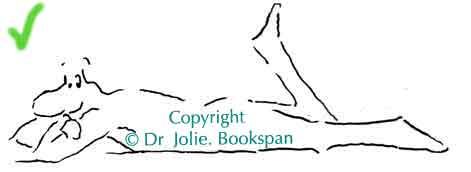
A nice stretch you can use for editing papers, or relaxing briefly. If your lower back pinches when you do this, you are overarching the lower spine (increasing lumbar curve too much), then tuck your hip as described in the Fix Swayback article.
Six Quick Stretches
I developed a set of six quick stretches that can be done pretty much anywhere, anytime, quickly to restore range of motion in all planes, and that relate to how you need to move in real life. Check my web page on this site for Healthier Stretching. Scroll down to Six Quick Stretches. There are photos and complete instructions for each one.
Below is a photo of my students from my Black Belt Hall of Fame class of 2016, who learned how to do and teach the Six Quick Stretches. Back row are martial arts teachers, front row are their students.
Contest For Healthier Sitting
In 2009, I ran the contest "What Does It Take To Sit Upright?" We had great results.
Here was the contest: Conventional beliefs about posture include that you must do certain exercises or stretches or strengthening to change your posture. Is that true? Look the photos below and answer the simple questions that follow
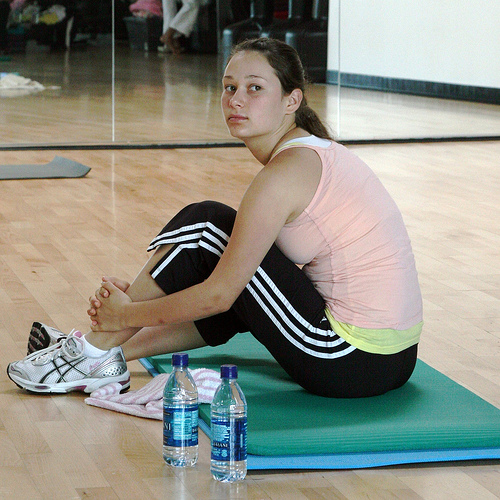
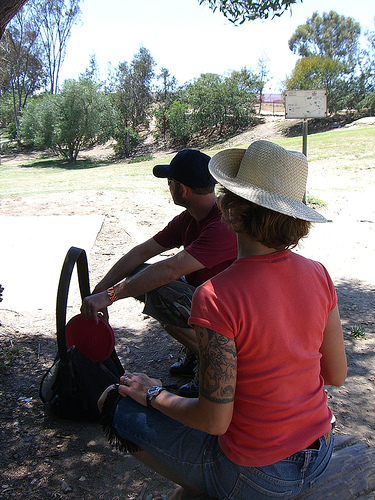
Bad sitting Photo 1 at left - Note the neck angled sharply backward, upper back rounded forward, and hip tilted backward (see the stripes?) What does it take to change to the easy relaxed upright sitting in photo 2 at right?
Name the muscle(s) and action you think is needed - which way it needs to pull. Is muscle strengthening or stretch is required to change from first (unhealthy rounded) to second (upright) sitting?
Disregard the leg position in the two photos - the question is not how to move the leg, those were just the two photos I could find. Focus on describing how to change yourself to upright sitting without needing to move the leg. Use your brain. Partial credit applies.
Extra Credit - Explain why the same people (with the same tightness or weakness) who sit with the lower spine rounded forward (flexion) often stand with the lower back overly curved inward (hyperlordosis) - just the opposite.
Hint for success:
Sit and try it yourself, don't go only to anatomy books. Send your answers to me at Scientist@DrBookspan.com.
Photo 1 by djwhelan http://farm1.static.flickr.com/227/499227037_7a913abfee.jpg
Photo 2 by magnusdigity http://flickr.com/photos/magnusdigity/157752211/
No Strange Rules
It is not true that you must sit at 90 degree angles (or any specific angles) or hold your thighs parallel to the floor, or other strange, strict rules about positioning your arms or legs.
Don't worry about exact angles. Get the concepts, then you can keep healthy posture while you go about your life. Don't sit frozen in place. Movement is important for joint health. Joints don't have much blood flow. Joints get nutrition in and waste out by physical movement. Move freely in your chair instead of sitting still for hours at a time.
Sit in healthy position whether the chair has straight back, a round back or no back. When you use a lumbar roll or any towel or jacket for the same purpose, understand what it should accomplish. Then you will be able to think where it should go and how large it needs to be to accomplish that.
You are the one to determine your positioning, not only the chair. Keep it simple. Sit well without rounding your back forward or overdoing the inward curve of the lower back, not jutting your chin, not hanging your neck forward, not lifting the chin, not straining rigid "straight" posture. You will be able to get up after long sitting with straight happy position and no pain.
It should be direct and straightforward to start getting your life back and start feeling better right now. Don't wait.
How Long Does It Take To Stop Neck and Back Pain With Healthier Sitting?
If you generally hurt only when sitting and dont have a specific injury causing the pain, you should feel pain and pressure stop when you change your sitting to healthier ways.
Check what you are doing compared to what is presented above. None of this is "exercises" to "do" or "ways to sit" but retraining drills for body and thinking to learn to stop sitting in injurious painful ways, and learn how you can be comfortable, mobile, and healthy at the same time.
Are you still rounding forward?
Are you craning your neck?
Are you using an uncomfortable ergonomic keyboard tray?
Are you sitting forward of the seat back and letting your back sag like a hammock?
Is your chair made in a way that you will round and curl if you relax against the seat back? Don't let it dictate your sitting position - use the techniques above to be able to relax in the many healthier positions.
Are you tightening or clenching anywhere?
Trying to sit "straight" and rigidly? That hurts, and is not necessary. Posture rules often cause as much or more pain than slouching.
Are you sitting in specific rigid angles of the hip or legs or arms, or holding a presumed "correct" posture? That can cause more pain.
Are you doing things that you do not understand? Make sure that you see what is the problem first before changing things. Make sure there is not something else contributing to your pain.
How To Remember Healthier Sitting
Please do not e-mail saying, "I read the article, now please tell me how to sit right" or "I am doing the exercises 10 times and still sit rounded or too tightly arched, now please write me a personal article on how to stop my pain" or "It hurts to sit at the computer to read your book on fixing pain" or " I am holding a "correct" position without moving a muscle so tell me what is wrong." Here is the answer now: If you stop hurting yourself with bad sitting, then pain can stop. This free article tells how. More free articles on my Sports Medicine Office page. The Books tell more.
Watch how other people sit - it helps remind you why it is not always a mystery when people hurt.
Notice injurious positioning and movement habits, especially those featured in fitness and health magazines.
Notice your own sitting habits.
No need to spend money on expensive ergonomic chairs or sitting devices, rockers, straps, etc. Inmost cases, you can can sit well on a bucket. Fix your own chair or change it simply using simple principles above.
Please don't use injurious stretches and exercises or ineffective sitting rules, then come back to me and say my work isn't fixing that.
Get out of your chair often, straighten out, get outside for fun and real life. Try it now.
Send me your success stories showing the principles in action.
You Don't Have To Live With Pain
What To Do Next
If you want to throw a few dollars toward keeping this site running, or to say hello, that's great! Secure and safe through PayPal. Thank you!
Anything is appreciated, especially, knowing that you benefited.
Fun Things
Help this site without donating. Click any links from my books to Amazon to get anything, whether it's my books or not. Amazon will send this site a small percentage of purchases (not clicks) - anonymously - from song downloads, health and medical equipment, home stuff, movies, whatever. Larger purchases send more, so get your next computer or playground this way, too.
Books and E-Books. All my books together cost less than your pain killers. Fun, easy to read, illustrated, immediately helpful.
![ALT =[“Healthy Martial Arts by Dr. Jolie Bookspan. Training for all athletes in all sports, body and mind. More on author web site http://drbookspan.com/books”]](images/CoverHealthyMartialArts.jpg)
![ALT =[“Fix Your Own Pain Without Drugs or Surgery by Dr. Jolie Bookspan. Fix causes using scientific methods you can do yourself. Available from author web site http://drbookspan.com/books”]](images/FixPainFrontCover.jpg)
![ALT =[“Stretching Smarter Stretching Healthier by Dr. Jolie Bookspan. Effective quick methods for healthier range of motion during daily life, sports, exercise, and at home. Available from author web site http://drbookspan.com/books”]](images/StretchBookCoverWEB.jpg)
![ALT =[“The Ab Revolution 4th Edition by Dr. Jolie Bookspan. Replaces all eariler editions. Available from author web site http://drbookspan.com/books”]](images/CoverAbRev4.jpg)
![ALT =[“Health and Fitness in Plain English - How To Be Healthy Happy and Fit For The Rest Of Your Life by Dr. Jolie Bookspan THIRD edition. Available from author web site http://drbookspan.com/books”]](images/CoverH&FLowRes.jpg)
![ALT =[Diving Physiology in Plain English - new eighth edition 2021 with Blue Cover and white text: by Dr. Jolie Bookspan]](images/CoverDivingPhys%20eBookLR.jpg)
![ALT =[“Diving and Hyperbaric Medicine Review For Physicians Board Exam Guide by Dr. Jolie Bookspan. Available from author web site http://drbookspan.com/books”]](images/coverdocbook.jpg)
More on the BOOKS page.
Don't worry about people stealing your ideas. If your ideas are any good, you'll have to ram them down people's throats.
- Howard AikenThat said, Be Healthy - Respect Copyright
This information is © copyright and here for you for a healthier life. Information, drawings, and photos are © protected copyright. To cite this article or any parts, put author Dr. Jolie Bookspan, and link to this site DrBookspan.com at the top and bottom of your reprinting. A suggestion to get my books is also nice. No Derivative Works License means no changes to content, wording or links.
Drawings of Backman!™ copyright © by Dr. Jolie Bookspan from the books Health & FItness THIRD new edition, and Fix Your Own Pain.
If this article fixes your pain, send it to a friend (the article, not the pain)
Entire site is education only. Nothing is medical advice. See your doctor first and use your brain
HOME || The Ab Revolution™ || Academy || Adventure Medicine || Bio || Books and eBooks || Bookspan Basics || Classes || Diving Aerospace & Hyperbarics || Emotional & Mental Fitness || Fix Pain Articles || Fitness as a Real Lifestyle || Hamstrings and Back Pain || HUMOR - Fixa U Dept of Silly Syndromes || Karate || Kickboxing || Lower Body Revolution (tm) || Nutrition || Projects || Patient Success Stories || Rare Photos of Early Work || Stretching || Thai Massage || The Fitness Fixer || Yoga Without Dogma